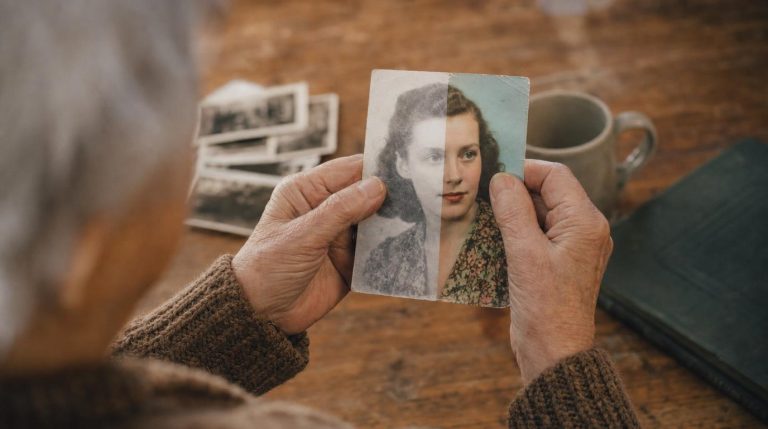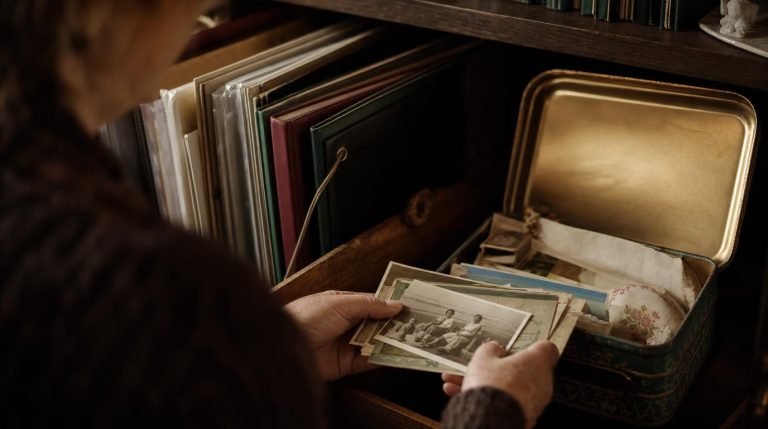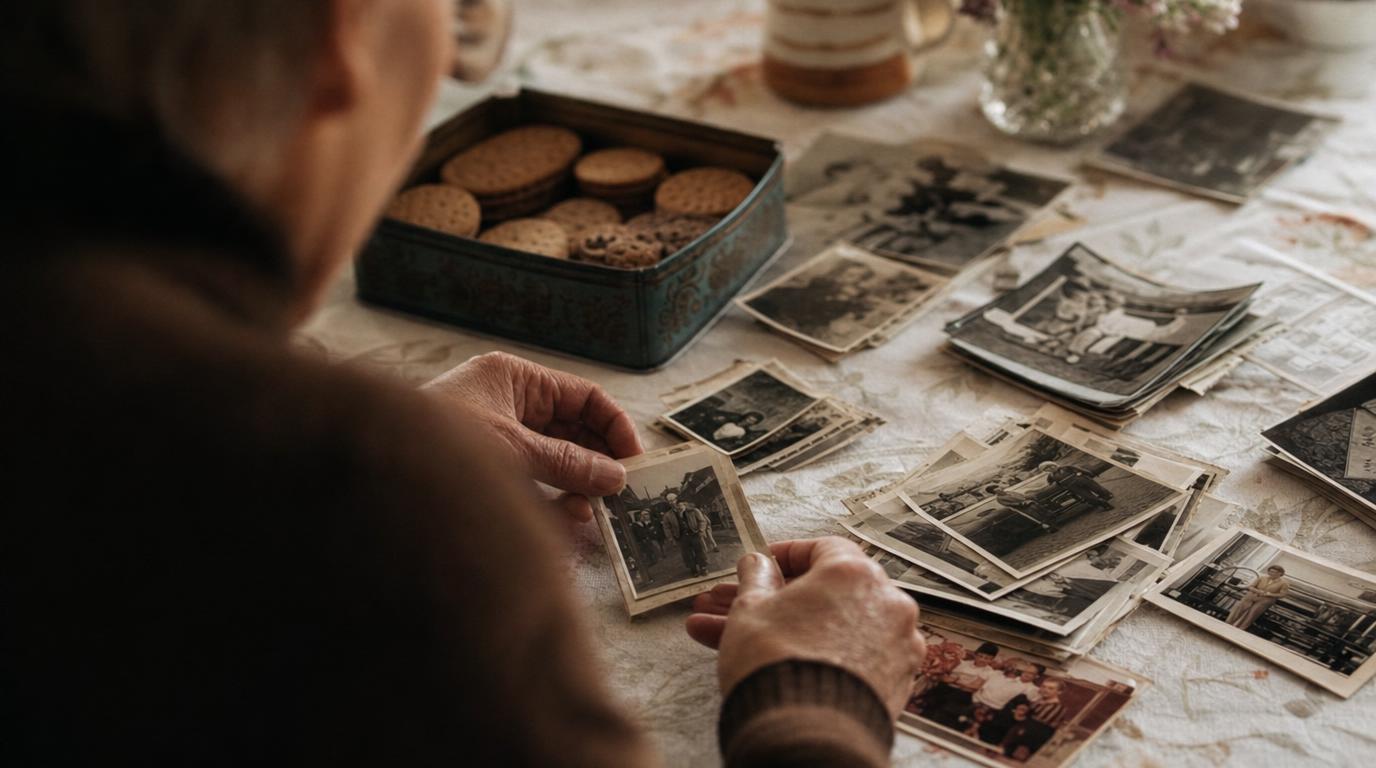
Most families have a box, a drawer, or a biscuit tin of photographs where nobody is quite sure who half the faces belong to. The knowledge is not gone yet, but it is only ever one generation from disappearing.
You do not have to do it all at once. An hour with an older relative and a handful of photographs will save more than you expect.
- Your boxes and albums of photos
- An older relative, if you can
- A soft pencil, and acid-free boxes or sleeves if you have them
- A phone or scanner for copies
The five steps
Gather everything in one place
Bring the boxes, albums, and loose prints together. Do not sort yet. Just see what you have, and handle the prints by their edges to protect them from fingerprints.
Sort into rough groups
By era, by side of the family, or by household. Rough is fine. The aim is order you can work through, not a perfect filing system you never finish.
Capture the story, not just the name
For each photograph worth keeping, note who is in it, where and roughly when it was taken, and one thing about the moment. Record an older relative talking through a pile; it is faster and far richer than writing it all down.
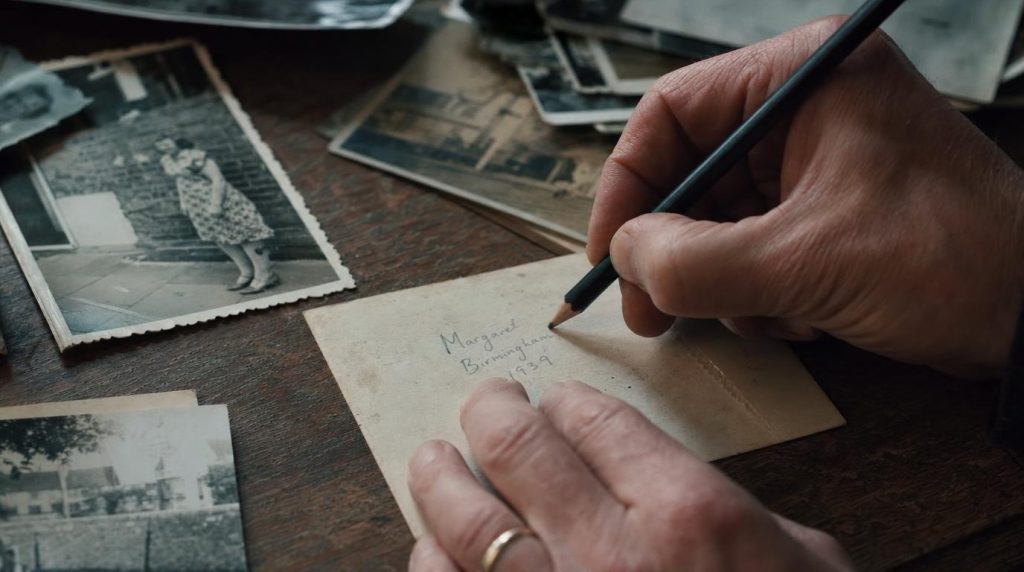
If you label the back of a print, use a soft pencil and a gentle hand. Ink can bleed through and damage the image over time.
Scan or photograph the keepers
A phone camera in good, even daylight is enough. Fill the frame, keep it flat and square on, and give each file a clear name: year, people, place.
Store the originals with care
Keep prints out of direct sun and damp, ideally in acid-free boxes or sleeves. Keep the digital copies backed up in two places, so neither fire nor a failed drive can take them.
Small habits that help
Start with the oldest voice. The eldest relative usually holds the most names. Sit with them first, while the knowledge is there to be asked.
Done beats perfect. A roughly sorted, roughly labelled collection you actually finished is worth far more than a perfect system you never did.
Common questions
What is the best way to scan a lot of photos quickly?
For large batches, a flatbed scanner or a phone scanning app speeds things up. For a handful of treasured prints, a careful phone photo in daylight is perfectly good. Consistency matters more than kit.
Should I throw away duplicates or blurry ones?
Set them aside rather than binning them. A blurry photo of a person you have none other of can be precious, and modern tools can often sharpen it. Keep, but do not let them clog the main collection.
How do I stop it becoming overwhelming?
Do one box, or one hour, at a time. Little and often beats one enormous session, and you keep the momentum without dreading it.