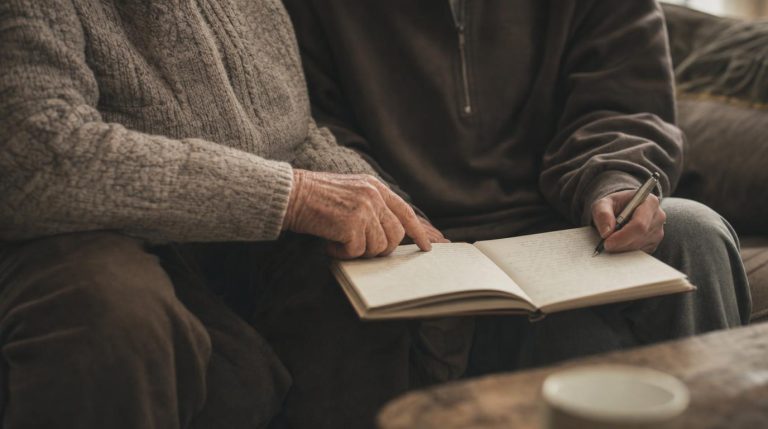
A grandparent is often the oldest voice a family has, and the closest thing to a first-hand account of a way of life that has all but vanished. When they go, that link goes with them.
Sit down with a cup of tea and a few of these. You are not only gathering memories. You are keeping history that exists nowhere else.
- An unhurried hour, and a cup of tea
- A few of the questions below
- A box of old photographs, if you have one
- Ideally, your phone to record it
The questions
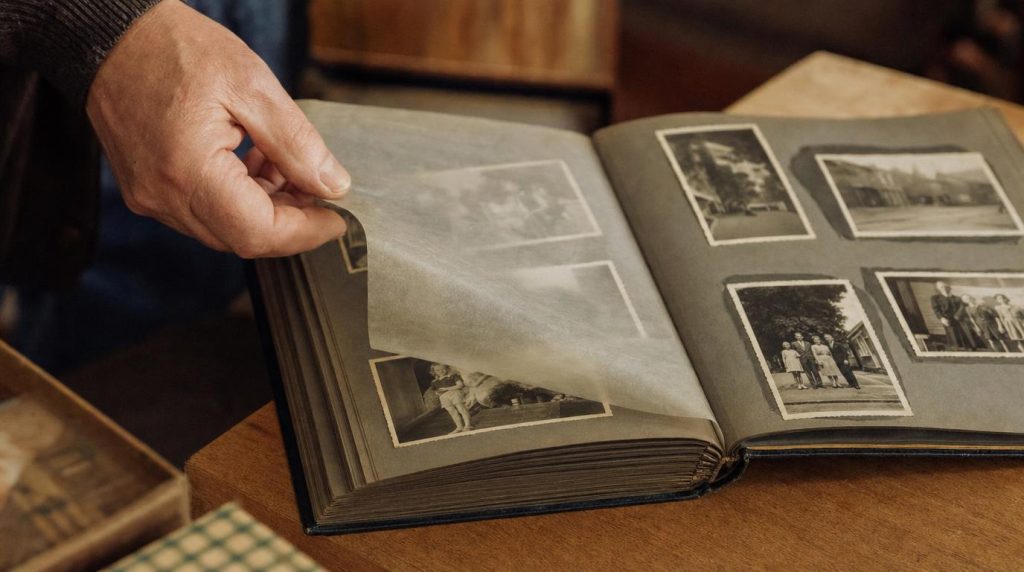
You will not need many. One good question, followed patiently, can fill a whole afternoon.
Where they came from
Where were you born, and what was the area like then? What did your parents do for a living? What do you remember of your own grandparents? What was your home like inside?
Childhood then
What was school like? What did you do for fun with no money and no screens? What did the streets look, sound, and smell like? What did you eat on an ordinary day?
The times they lived through
What do you remember of the hard years and the times that changed everything? How did ordinary life carry on through it all? What do people today not understand about how it really was?
Work and making do
What was your first job, and your first wage? How did people get by when things were tight? What skills did everyone have then that we have since lost?
Love and family
How did you meet Nan or Grandad? What was your wedding day like? What was it like starting a family in those days?
What they know now
What has changed the most in your lifetime? What are you proudest of? What would you say to the great-grandchildren you may never meet?
A gentle way in
Older relatives can find a formal “interview” daunting. A few small things keep it warm and easy.
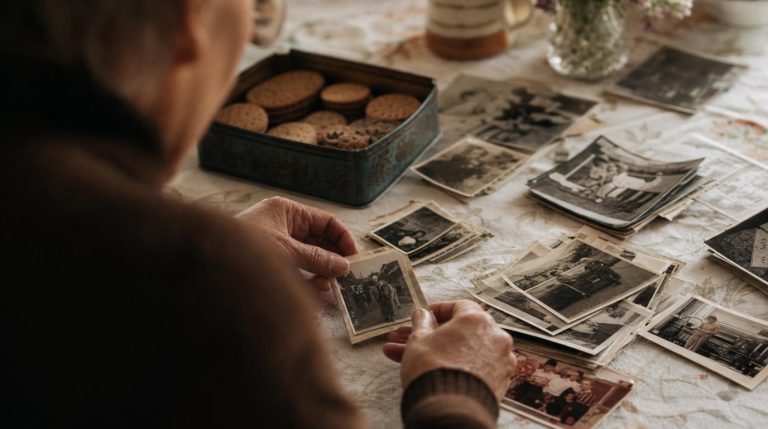
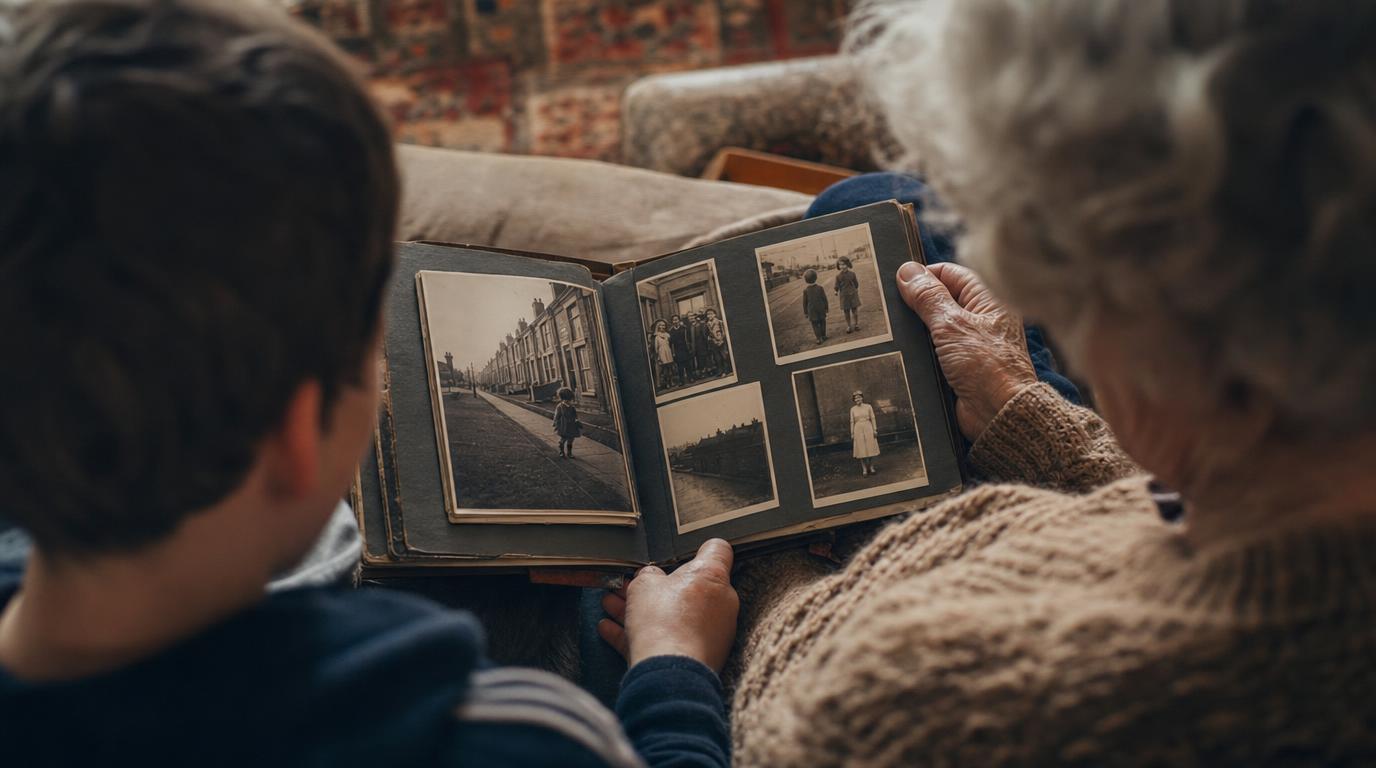
Bring photographs. They are the best way in of all. Point at a face and ask who it is, and the memories arrive of their own accord.
Go at their pace. Keep it unhurried. One good hour is worth far more than a long session that tires everyone out.
Record it. Capture the voice, not just the facts. Our guide on  recording a conversation shows you how with nothing but a phone.
Common questions
What if their memory is not what it was?
Old, deep memories often stay vivid long after recent ones fade. Photographs, music, and familiar names all help. Follow whatever comes easily, and never worry about correcting dates in the moment.
They say nothing interesting ever happened to them. What now?
Almost everyone says this, and almost everyone is wrong. Ask about the ordinary: the walk to school, the price of things, a normal Sunday. The everyday detail is exactly what turns out to be fascinating.
Should I do it in one go?
No. Several shorter visits are kinder and richer than one marathon, and they give both of you time to remember more in between.