Kate Knowles
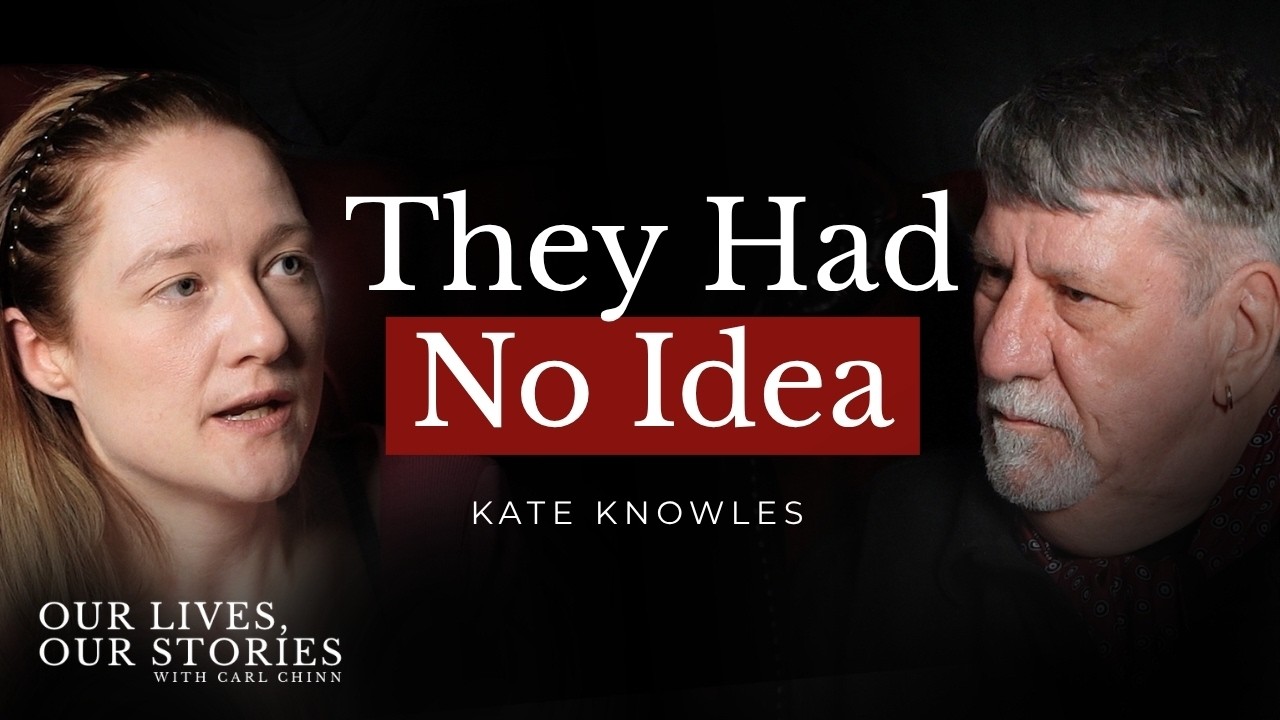
Kate Knowles is the founding editor of the Birmingham Dispatch, a reader funded local news title launched in 2023 as part of the Mill Media group. A former Local Democracy Reporter at the Birmingham Mail, she left to build a paper focused on longer, more considered journalism rather than chasing online traffic.
In this episode
Kate and Carl talk about what reader-funded local journalism is actually for, and why knowing who controls the roof over your head is a story worth chasing. She describes a Dispatch investigation into homes quietly put up for auction while the tenants had no idea, and makes the case for listening properly and keeping people's quotes in context. The conversation also turns personal, taking in her Irish and Yorkshire roots and a frank word about putting mental health first and telling someone early.Find out more: The Birmingham Dispatch
Chapter markers are not available for this episode.
Transcript
This transcript is auto-generated and may contain errors. Tap a timestamp to jump the video.
I just knew it was the kind of writingand journalism that I wanted to do. Ijust thought if it fails, I'll get a jobin something sensible. I think themental health that kind of has to comebefore anything else. My advice wouldjust be tell someone now. We did a storyabout housing recently. We found outthat a bunch of these homes were goingup for sale at Ouction. So, we wentround and knocked on the doors and thetenants had no idea. How can someonelive their life if they don't know who'scontrolling where they live? Whether ornot they're going to be turfed out.>> Welcome to our lives, our stories. Andthis week, the life, the story is of asuccessful young journalist, KateNolles, the editor of a really important
publication in the West Midlands calledThe Birmingham Dispatch. So, I'm reallypleased to welcome her and to say thanksfor joining me today, Kate.>> Thanks for having me, Carl. It's a realprivilege to be here. Now, we'll getinto the journalism a little bit lateron, but one thing I want to say first ofall is that the first time I spoke withyou was one of the last days you were atthe Birmingham Mail and you'd spoke tome a few days before about a certainissue and I was so chuffed that youreported everything I'd said so well andso correctly that I actually rang you upto say thank you for your valuablereporting.>> Yeah, thank you for that. I was uhyou're quite the local celebrity so itwas quite a big moment for me to get
that call to be honest.>> I don't see myself that way.>> No, I'd never try and um twist someone'swords. I I do think it is hard forjournalists sometimes because you dohave to like take>> quotes. You can't put the whole thingout there. And I think it's hard forpeople to see them their words writtendown sometimes and it's not what theyexpect even if it is accurate.>> But yeah, that's that's good to hear.And what I was pleased about was youactually embedding my quotes within theright context.>> Right.>> And that could be difficult for ajournalist, can't it?>> Yeah. I guess because we're always theone thing about being a journalist islike you're always learning about newthings. Like you're always reportingfrom one day to the next. It could beabout like social history or it could be
about a political subject or it could beabout culture. And so you don't alwaysknow loads about the topic. But that'swhy you got to listen to whoever you'retalking to, isn't it?>> You are a very good listener, but you'realso an excellent writer and journalistwith lots of probing articles in theBirmingham Dispatch, which we'll discussin a few minutes. But take me back now.I want to go back to your childhood. Iwant you to talk to me about your momand dad, your family, your background.>> So, my family doesn't go back very farin Birmingham. My parents, my dad wasIrish,and he moved to London in his 20ies.That's where he met my mom in their late20ies. She's from South Yorkshire fromRotherham and um they were bothteachers. They met, got married, moved
to Malaysia where my dad had a jobteaching English as a foreign language.That's when my brother was born. Theywere there for about 3 or 4 years andthen he got a job at BirminghamUniversity and that's what brought themhere.>> So that was the mid80s.>> Yeah. How interesting. Whereabouts inIreland your dad from?>> He's from Belfast County but not thecity. He was he was brought up in thecountryside. Their their stories sort ofmirror each other a bit because dad wasumborn and raised Irish but always thoughtof himself as Irish but with a name likeNolles.Obviously you go back far enough hisancestors are English right? Umbut my mom was born in England SouthYorkshire but she had the Irish surname.
She was Cavana. He was Church ofIreland. She was Catholic. So they kindof mirror image each other in a way.It's an interesting sort of mix.>> How did that mix come together? Did theyget married in a church or did they justhave a civil wedding?>> They had a civil wedding. Um but they'dboth been married before, so it was likeum it was their second wedding and a bitsmaller and that thing, but they they'vealways>> held on to their religion. I was broughtup an Anglicangoing to church every week, but wheneverI was with my mom's family, she has avery big close family. we'd go to mass.So for me, religion wasn't really thislike demarcated thing. If you wereChristian, you were Christian.>> That's wonderful, isn't it? And it's thesame, you know, whether you're religious
or not, it's about respect for otherpeople's views, isn't it?>> Yeah, 100%. And I think in ourhousehold, it was about it was kind ofabout community and commitment as well.Like I was in the church choir and hadto go sing twice twice every Sunday. Andand I I just knew that was somethingthat my dad expected me to do. You'vecommitted to this thing. So you got tofollow it through, you know.>> Is your dad close to his family inIreland?>> He was. So my dad died in 2010.>> Oh, sorry.>> Thank you. Um I was 18 at the time, buthe was close to his family. Yeah. Wealways um we went over every summer fora summer holiday um to see them.>> That must have been a traumaticexperience for you at 18 to lose yourdad.
>> Yeah, it wasn't nice. Um it was bothsudden and not like he had been ill fora long time. Um and it got progressivelyworse. Um but we didn't actually wedidn't know the end was coming. It justhappened one day.>> Talk to me then about the impact thatyour dad has had on your your life.>> I think he's the reason I was alwaysintoreading and writing cuz he just alwayshad loads and loads of books in thehouse. And even though he ended upbecoming like an English uh like aEnglish lecturer, so it's kind of a highflutin sort of position in in someregards. The books were always just likeloads and loads and loads of detective
stories.>> Yeah. [laughter] Yeah.>> And I just g I love them to this day.Like um I just grew up reading all allthat sort of stuff, but but loads ofstuff um like really widely and and thatwas the thing I was good at, reading andwriting. you're feeling with you whenyou're writing and reading.>> Oh, yeah. 100%. Yeah.>> That's lovely. So, what was your dad'sname?>> Murray.>> And your mom's name?>> Stella.>> Tell me more about Stella, [laughter]how she's affected you.>> Just the most supportive,there for me person. I I don't knowanyone else. I mean, it's probably trueof most moms, but she's just 100%there for our kids. I guess there's meand my brother and sister, and we're allvery close. And she's also a bit more ofa kind of she was a science teacher.
>> Dad was a bit more of the thestorytelling kind of person and mom wasa bit more of the get things done.>> Is she retired now? Is she still>> She is although she hates being retired.So she loves she loves being busy. Umshe carried on. She retired from schoolteaching but then was doing bits andbobs um helping to train teachers at theuniversity as well. Um, she hasn't she'snot doing that currently at the moment,but she might she might pick it upagain. I don't know. It depends if theyneed they need our help.>> Now, I know you said earlier on that,you know, the family ar from Birmingham,but I'm really chuffed to know that yousay mom,>> not mom.>> Yeah. And I write it as well.>> Good. Good.>> In the dispatch, we've got a rule. It'sgot to be mom.
>> It has to be. I I wrote about this manyyears ago, and it goes back toAnglo-Saxon times.>> Does it? The way that in MercianAnglo-Saxon an A before an M or an N ispronounced as an O. So for example, man,my uncle's from Aston and Sparbrooknever said man as they still do in muchof the black country. They used to saythe old man. And so ma'am, the northmama becomes mama becomes mom.>> That's so interesting. Oh, great. I'mglad I've got the history now.>> Growing up at you were going to church.You were going to school. Tell me aboutschool. We went to the school that wasnext to the church. So, St. Peter'sHarbaugh. I grew up in Harourborn.That's the church we went to and went to
the little school next to it. Um, andthen I went to Lords with Girls School,which was auh I mean, it still is a now it's anacademy. Then it was a state school. Nowit's an academy within I think the KingEd's kind of umbrella. I mean, myparents I did the 11 plus, didn't passit. My parents basically said you can doit if you want but they they weren'tgoing to pay for a tutor or anythinglike that. So>> were the teachers that affected you thatinfluenced you or was it much more yourfamily were your influence?>> It was more family really. My familywere kind of particularly actually onboth sides like they're a family ofstorytellers like they love to just spina yarn [laughter]
and in my dad's family it's always likea competition to see who can crack thefirst joke. Do you know what I mean? Ortell tell the first like um anecdoteabout something entertaining that'shappened. So that's definitely a biginfluence. I think at school it's hardfor me because when I I was very happyat school up to the age of 14 and thenso that was like year nine and then whenI went into year 10 and turned 14 I gotvery very um>> my mental health declined really rapidlyso it's a bit my memories of that timearen't great. It took a long time sothat it it wasn't really until mymid20ies that I managed to come out ofthat. And but I'm 35 sowhen I was a teenager,
it was still before conversations aboutmental health were really normalized andand um kind of accepted in the way thatthey are now. I think then it felt verymuch like, oh god, I'm really weird andI can't I I can't talk about this cuz itmeans I'm different.>> But just want to say thank you to youfor opening up.>> Was journalism always something that youwanted to become involved with or didthat slowly emerge?>> I always just wanted to write always andI didn't know how to do that and in away it's a bit of a pie in the sky jobcuz I remember telling my mom I want tobe a writer and she went oh for God'ssake. [laughter]She was like, "You need to be ateacher."
>> Yeah. Mom's rationality is coming inthere, isn't it? Yeah.>> Exactly. And I guess the easy the thethe the best or most sensible way ofbeing a writer for a job was to be ajournalist. Except when I graduated, itwas it was like in the mid it was in2013. So when um journalism had allmoved online, very like shaky about thefuture of the industry. I mean, it stillis.>> Yes.>> The opportunities to do it. And I didn'tknow anyone who did it. I didn't knoweditors. I didn't know journalists. So Ijust was kind of flailing around likesending in letters to local paper. Ilived in London at the time. That'swhere I went to uni. Sending in lettersto local papers like can I can I do someexperience? Didn't get anything back. Um
I did some like unpaid work as well likewriting reviews of stuff like culturalevents. Um but I just didn't really knowwhere to go.That must have been a really difficulttime for you, K, because you're havingthese mental health issues. You'reyou're trying to get through a degree.You're trying to find work. I'm justtrying to say to you, I think what youdid is admirable how you've pulledyourself through these things.>> Thank you. That's really kind. I thinkYeah. To be honest though, like again,I've got to acknowledge likeI I have like a family. Obviously,they're really supportive, but they'realso got have a bit of a safety net aswell. I mean, throughout all that time I
was working in pubs and stuff, so I waslike paying my way, but>> I can just only imagine if you had thesort of mental health difficulties I washaving in combination with without thatkind of safety net.>> Yes.>> So, I could imagine it just going southso quickly. So, I also feel like I'mreally lucky to do the job that I do. ayoung person that might be listening tothis and perhaps going through a youngwoman going through what you were goingthrough. Is there advice that you couldgive them?>> Oh, the first thing I think the mentalhealth thing is like thethat kind of has to come before anythingelse, right? So, if if anyone has thosekinds of struggles, my it soundsobvious, but my advice would just be
tell someone now and don't wait, butjust ask for help. There is lots of helpout there. And then with the journalismthing or whatever it might be, whateveryour dream job is, um try and speak toreach out to people who doing the jobthat you want. People have done thatwith me. They've they've contacted meand said, "I have no idea how to getthere and I really want to get there andI'll always make the time cuz I knowwhat it feels like to be on the otherend of it.">> Yeah. And if they haven't got somebodyto talk to, we as you said, you werefortunate. You had your mom, you hadyour family>> and the extended family by the sound ofthings as well as the nuclear family.But there are organizations now that canhelp.>> Yeah.
>> Where did you say you studied again?>> I did my degree at um Goldsmith'sUniversity of London.>> So you left home.>> Yeah.>> How was that?>> Bit overwhelming really.I And it's a weird thing cuz I thoughtlike, oh, the the big wide world iswhere I need to be. So much moreexciting. I really want to get out. Andactually when I got there I was it waspretty terrifying. And then my dad died.So I left home went to uni and my daddied 9 months later or something onFather's Day.>> So I think that kind of threw the wholeuni experience a bit. Yeah. But I gotthrough it.>> So did you make friends at Goldsmiths?>> Yeah. Um only a couple that I'm stillfriends with to this day actually.
>> Yeah. But I did. I was also quite sad aswell.Yeah.>> It wasn't like a super happy time.>> No. No. And from graduation, you comeback to mom, do you in Braum?>> I stayed in London for a couple ofyears. Um, I was trying to make thejournalism thing work, doing this likeunpaid work while working in I did um Iwas answering the phones for JamieJaime's Italian restaurants. doing thatand then I worked as a waiter in um thislike quite trendy restaurant and I gotsmacked. [laughter]>> What did you do?>> I was just rubbish.I was just really bad at the job. Theythey took me aside one day. I think I
just did lasted a few weeks and theybasically said, "Look, we think you'd begreat in a pub, but you're not reallynot refined enough for this trendyrestaurant." And one day I wore um itwas my mates's black Sabbath t-shirtactually and that they didn't like that.They were like don't don't wear thatagain. So it was that kind of thing.They were like you'll be better in amore casual environment. Um so I kind oflicked my wounds and got a job in a pub.>> What brought you back to Birminghamthen?>> I came back a couple of times cuz I cameback I went after that period in London.I kind of realized that theopportunities in journalism aren'tthere. I did a gap year essentially. Iwent and um taught English abroad.>> Did you?
>> Cuz I hadn't had a gap year and Ithought how can I do it while I don'thave like loads of money saved up so ifI work while I'm there. So I went toum Thailand for a few months and thenfor some reason decided to go all theway over to Mexico City and it was avery like chaotic time but I stilldidn't have that much confidence. Ithink I was trying to find it really farfrom home and actually I probably shouldhave come home.>> Then I did come back after about a year>> and um I got a job here in a charity for2 years. So I was just an admin anadministrator in a charity and I wasthinking oh maybe I can work in the
public sector. I don't know. But thatwas actually a really formative jobbecause it gave me thoseskills that you needyou need to do any job really like youneed to learn what how to work as partof a team. You need to meet deadlines.You need to kind of do grunt work likeeveryone has to. And thankfully I had areally like understandingboss and manageron this team and they kind of they knewI was a bit rough around the ed theedges in terms of like I'd never donethat job before but they they were justreally good to me and that taught me alot. You've got to start from the bottomand I think one of the things I've seenin journalism is people who come in withan ego and there's a lot of egos in
journalism. So I won't say it isn'trewarded because if you look at like thebroader I don't know media sphere. Imean there are frankly a lot of peopleon the national stage who are being paida lot of money just to write columnsabout>> I don't know stuff that I think is a bituseless. We need more reporting lesskind of>> bloiating. But um is that a wordbloiating?>> Well I like it wherever it's not lesslet's go to the Oxford Englishdictionary. What do you mean by itthough? I mean like hot air there's alot of opinion writing and actually weneed people out there reporting speakingto people and finding out on the groundwhat's going on. I think it's reallyreally valuable people who have done umthose like bar jobs work um admin like
where you do go in on the bottom rungbecauseyou just know how to get done. youknow how to get done and you do itand you know how to be part of a team aswell>> and you also realize that that you needto respect people that are doing thosejobs.>> Oh, 100%. Yeah.>> So, you've been doing part-timejournalism, you've gone abroad. What didyou learn from your travels?>> I guess like obviously the obvious stuffabout being among a different culture,particularly in Thailand cuz I was inrural Thailand, not really the bitswhere there's lots and lots of tourists.>> What about Mexico? Mexico was likecompletely different because I alsobecause I was in like the capital city.>> You come back to England.You eventually come back to your mom. Doyou stay at mom's?
>> Yeah. Um and then I then I went toGlasgow and I did a masters.>> What? What? Now your mom, poor Stellamust be thinking, "What's going on now?">> I know. I know. She was like, "Can youjust get it over with and get a properjob?" [laughter]So I moved to Glasgow. UmI I mean I just got a loan. I didn't getlike a grant or anything. And I workedin um a bar and did this masters inmodern literaturewhich to be honest was so fascinatingand so interesting that I'll neverregret it. I mean I didn't know what Iwas going to do after but it was reallyreally interesting.>> You're looking at modern literaturebefore we move on to back to thejournalism. I really want to get some of
the books from you that influence you orhave affected you in different ways.>> Modernism, we were looking at, you know,like Ulyses,James Joyce, Virginia Wolf, all thatstuff. I think I was just fascinated bythat that period of time in the early20th century wherethings just changed so rapidly and so itwas all about new technology likepeople's lives were just changingby the minute. Well, I'm sure we can getinto it but like I'm sure for a lot ofpeople their lives weren't changing butum I just found that period fascinating>> particularly for the privilege that itwas changing so quickly. You telephones
are coming in. Yeah,>> you know, you got the telegraphcommunications across the world. There'sso much is is is emerging of a newworld. Do you see parallels looking atyour modern literature from the early20th century and the the rapid changeswe're going through today? Do you seeany parallels there?>> Yeah. Yeah. I don't know if we everreally I don't know if we've ever reallyleft modernism.I think like the hallmarks of that stillof that kind of period. I don't want toget too like in the weeds in terms ofacademic stuff, but I think it's stillthere. Modern life is still sofast-paced. That's only gotten more moreso, particularly with like everythingmoving online and stuff like that. Um,
and in terms of like literature, the waythat we so modernist literature isexperimental. It's weird basically. Likeif you if you pick up a James Joycebook, anyone who has done that will goand they've never experienced it beforebe like, "What the hell is he on about?"and then you get into it and you'relike, "Oh god, this is amazing." Um, butthat kind of writing, it's weird for areason because you're signaling thatthings are different, things havechanged. We've got we've got to have adifferent way of looking and and writingand reading about things. And I think westill do that. We still if we want if toum someone's writing somethingexperimental today, they use all thosesame uh features.>> Anything from Glasgow have a an aneffect upon you? I spent a lot of time
in Glasgow going to different ship shopsand sampling different curry sauces.[laughter] So that's one thing. I wentthrough a phase of like rating andreviewing the curry sauce and chips.Apart from that, I think that's justkind of where I built my confidence abit more and I'd gotten over that likevery um difficult period.And it's kind of that's one thing that Ithink educationcan be really good at is you kind of youget the opportunity to to to stand byyour ideas and and you might start theyear thinking, "Oh god, I'm crap atthis." And then by the end of it, yougo, "No, I actually made a really goodargument there.">> Yeah.>> And then someone tears it apart 5minutes later, but that's the point,
isn't it? You're supposed to havearguments and discussions anddisagreements with people.>> So you're in your mid20s.>> Yeah, I was 26.>> You've got your masters now.>> Yeah. Now, do you finally come back toBirmingham?>> Yeah, I do. No, I didn't have any enoughmoney, so I I moved back in with mom andthen CO happened.>> Right. So, where were you going next?And what were you hoping to achieve? Andthen CO happened.>> I thought maybe I'll um have to moveback to London cuz that's where all thejobs are. Journalism I thought wasreally too hard to get into. So, shall Itry publishing? It's to do with books.And I got on this good like penguininternship thing.>> Yeah. There's a two-stage applicationprocess and I got through the firststage and I was absolutely I was sohyped. I was really really happy and
then CO hit and they had to cancel it.So um that kind of went went south. Iwas working in a pub at this time. Cowas all right. I got got furowed and Iwas living at home. So for me it wasbetter than a lot of people. Um I didn'tknow anyone. He got super sick, thankGod. Um, but it was a bit like I wastrying to work out what to do. Andthat's when I thought I thought aboutjournalism again. And then I kind of forsome reason I don't know why this hadn'toccurred to me before, but I saw I readabout the NCTJ, which is like thecertificate that you do to get intojournalism and I went, "Oh, I'll dothat. That'll get me in the door.">> So, you take the the course. Uh, is itan intensive course?>> No, the only local one I could find was
a year about a year long and it was atWolverampton City of Wolampton College.So I'd go into Wolampton a couple ofdays a week and do it there. Um and thenI got it and then I got a job atBirmingham Life or Birmingham Mail>> which are both lives in the onlinepresence and the mail is the printed.What was the first job that you gotthere?>> It's called local democracy reporters.So that's for listeners who don'tnecessarily know the BBC funds um somejournalists to cover like localpolitics. That must have been a a biglearning curve for you going out intothe not just Birmingham but the region.>> Yeah, huge. I was a bit clueless atfirst to be honest and I um I think I
desperately desperately wanted to learnfrom more experienced journalists and Idid though. I was on a really reallynice team. Um it was difficult thoughcuz the company kind of closed ouroffice shortly after I started so Ithink that was only supposed to beclosed for a month but it ended up beinga year.>> Yeah. And there wasn't that muchopportunity to kind of um you know whenyou're in an office or any workingenvironment could be like a factory butyou're learning from people around you.>> Yes.>> I I didn't really have that. So that wasum hard but I did I did still learn frompeople. There's some really goodjournalists and editors there. Yeah.>> Yeah. I mean you got journalists likeJane Haynes.>> Yeah. Yeah. Kirsty Bosley who I think is
freelance but she does most of her workthere. Gerdip Tandandy.>> Yeah.>> Who is a bit of a legend in WestMidlands journalism.>> Yeah. Lots of people.>> You're on the local democracy.Is that affecting now how you want tomove forward as a journalist? Do youthink?>> Um it's Yeah. I always kind of thoughtthat I wanted to do more like featurewriting. Writing that brought in a bitof those creative skills.>> Yeah.>> I thought maybe I'll just do freelanceon the side. And then I saw what my nowboss was doing in Manchester. So he'dstarted this paper called the mill allonlinein 2020 and it came it was delivered by
emailand then it had gone to um you done onein Liverpool, Sheffield.Yeah, it was those three at that time.Manchester, Liverpool, Sheffield. And Ijust really wanted to do that here. AndI kind of did a lot of um it was me andmy friend actually, Dan Cave, who's alocal freelance journalist. We kind ofdid a lot of research and looking at thedemographics in the West Midlands andcomparing it to Manchester and buildingup this big document about why it wouldwhy it would work here. And then reachedout to my now boss. Turns out we didn'treally need any of that cuz he wasalready thinking about doing it.[laughter] But>> tell me a bit more about your new boss.What's his name?
>> He's called Yoshi Herman and he is ajournalist who had worked on the LondonEvening Standard. He's from SussexSussex, I think. Yeah, London EveningStandard. He'd gone out to New York anddone a worked on a digital paper outthere or digital magazine. And then he'dhad this idea about local localjournalism, how to>> how to make like local journalism forthe digital age, I guess.>> Yeah.>> So he he started that and moved toManchester and started it in 2020, Ithink. Very much hoping that it wouldwork obviously, but not really knowing.>> And it did work.>> Yeah.>> What's the premise behind it? Yes, Iknow it's about local journalism, but
there's more to it than that, isn'tthere? In terms of funding, etc. If youlook at local journalism today,obviously it's really different from howit looked even 20 years ago. And it'sall online. In order to pay for thatlocal journalism to put it out for free,papers get advertisers to pay the money.The thing is those those adverts areworth way less than they used to be. Cuzback in the day, like when you weregrowing up in in Birmingham,honestly, a friend of mine who's anolder journalist says that newspapersused to be a license to print moneybecause think of there were so few waysto get a message or um an advertisementout there and have lots of people look
at it and see it.>> The newspaper was basically the onlyway. Um and that all changed witheverything going online. And then youget these platforms which are likespecialist platforms for people to go toto sell their car or buy a car orwhatever it might be. So the value of uman advert in a newspaper just plummeted.And that's why if you go on a lot ofnews websites now they're plasters andadverts and pop-ups because that's theonly way that the companies could see tokeep bringing in that money. Um so whatwe do that's a bit different is we'retrying to persuade people to pay forlocal journalism again. And the idea isif you pay us a bit each month, we'rebeholden to you. Then we've got to make
sure it's high quality and we won'tplaster in adverts and we'll do our bestto find the stories that matter the mostto you. We can't do everything. We're atiny tiny team, but um what we dopublish, we try to do the best qualitythat we can. It's fascinating whatyou're saying because when I firststarted writing for the Birmingham Mailin the mid '9s, the Mail and the Expressand Star for Wolverampton of the BlackCountry were neck and neck selling200,000 copies a night>> and now it's down drastically.>> Yeah.>> But you've made a big jump at a veryearly stage in your journalistic careerreally, didn't you? I mean, you'd onlybeen in it what, a couple of years.>> Yeah, 100%. So, I did a lot of likelearning on the job. I mean, that's what
I wanted though. I wanted to worksomewhere where I could really reallylearn and get training as well.>> Um, but yeah, it was a jump for sure.>> And it was a jump into the unknownbecause you were a onewoman band.>> Yes. On the ground in Birmingham, I hadsupport from my boss and my colleagueswho work in our sister cities,but they can't go out and find thestories. That was me. Yeah. I'm justastounded by how much you've done, howsuccessful you've been, and also thehighly principled manner in which you'veapproached everything. And I want to saythank you.>> Thanks, Carl. That's really nice.>> It must have been a real worry leavingthe Birmingham Live, Birmingham Mail.You got a job there. You're learning on
the job. You're you're now beginning tomeet people and then making this bigjump into the unknown.>> Yeah, for sure. I mean, it was it wasquite risky really. My mom wasdefinitely like, "Are you sure aboutthis?">> I being a dad, a parent like your mom, Iwould have been say, "Are you reallysure about this?" [laughter]>> But I just knew it was the kind ofwriting and journalism I wanted to do.So to me, there was kind of no two waysabout it. I just thought if it fails,I'll get a job in something sensible.>> You've got to get subscribers to move itforward. Is it difficult getting hold ofsubscribers?>> It can be. aside from doing thejournalism, so the reporting and andediting things and obviously someone
else edits my work. I don't do both ofthose.>> Yeah.>> But I edit other people's work.>> And then there's the admin. There's alsothe selling, the marketing. We have todo that as well. Um, so it is kind ofanother string to our bow and it'sanother thing that you have to putenergy into. So in that sense, it'sdifficult because>> you you can't forget about it. You'vealways got to think about that aspectlike you've got to sell the paper aswell. But that's just about remindingreaderswhy we think we're we're worth the punt,really, why we think they should partwith their hard earned money to to buyus.>> And as someone that has parted with hardearned money, it's really important forme to read the indepth articles the thethat you're probing into in our region,
but also you've got lots of shortarticles. And this last week, you've agood news day, aren't you? Yeah. Um,lots of people have been asking for usto do that. Basically, what we're tryingto do a lot of is investigations. Itoften involves looking, combing throughoccasionally dodgy financial records andkind of sniffing out like bad behaviorreally. And that's the thing I mostenjoy doing and I think that's the thingthat we're really really good at. Butpeople don't always want to read about.People want a bit of lightness withtheir, you know, hard-hitting stuff. Soyeah, we we're doing the positive stuff.>> And it has been successful becauseyou're no longer a onewoman band.>> No, there's two of us soon to be three.So Meline just joined in I have had I
had a a former colleague who was with mefor a year. Samuel Mhagger, he's nowleft us, but Meline joined in January.Um she's from she's from nearSchwabshire but went to school inWolverampton and she's just at the startof her career but she's oh she's sogood. She's full of energy and she justgets stuff done.>> Her article the other week onWolverampton city town center the citycenter was really impactful.>> Oh that's good.>> How long you've been going now?>> Just over two years.>> Two years. You've you've investigatedsome reallyserious issues. One of the ones thatjumps out to me is the the important waythat you are reporting on the HMOs.Explain what the HMOs are and and why
you think it's important to investigatethem.>> Yeah. So, I'm sure lots of people willrecognize them from their ownneighborhoods, but how sort of multipleoccupation.But then there's a specific type of HMOwhich is part of um this it's asupported exempt accommodation which isa real mouthful but it basically meanshousing that's provided for people whoclaim housing benefit but they also needa bit of extra support. So often it'speople who are prison levers or theyhave struggled with addiction ordomestic violence sufferers.And the idea is that they will get thishousing
but on top of that they will get supportto help them to move through thatdifficult period of their lives and andand hopefully into bigger and betterthings. Umand as as a as a result the governmenthas said we will pay uh we won't pay wewill make the providers exempt from theusual cap on what you can charge peoplewho are claiming housing benefits. Sonormally it's like there's a cap becauseobviously it's publicly funded but ifyou're offering this support that capgoes out the window. So but what thatmeans is that people have just basicallyexploited the system. Not all people.>> Not all people. There are some veryreputable um providers 100%. But somepeople, some organizations have
exploited the system and the they'regetting loads of public money for verylittle support in some cases evenputting vulnerable people in quitedangerous situations.>> And that's an ongoing problem, isn't it?>> It's an ongoing problem and it's onethat's affected Birmingham especially.So we're we're basically the flagshipcity for this type of housing. othercities bus people in to to to to take upthis kind of housing in Birmingham.>> Why is that? Is that the council is notkeeping a proper eye on these things or>> one is just that Birmingham has a reallyhigh housing need anyway. So the thedemand is so high that the council hasto find places to put to put people in.
Another is that we have a lot of um kindof Victorian style housing here that'seasy to break up into these kind ofbedsit type properties which are oftenused as HMOs. And then there is a claimthat the council is more lenient aboutum giving these kind of places that areexempt from the rent cap. I don't knowhow true that is. So I can't but that'sa claim that's out there compared to saysurrounding councils like Wolveramptonor whatever.>> It's a complex issue. In other words,>> yeah,>> it needs to be addressed because whoelse is going to shout out for thesevulnerable people?>> Yeah, exactly.>> Do you see that as part of your rolethat not only to investigate but perhapsto be able to do that shout out for
people that can't shout for themselves?>> Yeah, a bit for sure. Um, for example,we did a story about housing recently.it was this kind of housing and um wefound out that a bunch of these homeswere going up for sale at auction. So wewent round and knocked on the doors andthe tenants had no idea. So they didn'tknow who was going to be in charge oftheir house. And that to me is justridiculous. Like how can someone how cansomeone live their life with agency ifthey don't know who's controlling wherethey live and like whether or notthey're going to be turfed out everyother week. And yeah, I I don't want tosound like I think I'm a voice forpeople because that sounds a bit likeridiculous and arrogant, but itdefinitely that thing about looking intothis type of thing, it gives me a
certain energy. You said in one of yourprevious podcasts that when you readabout um people being like ripped off ortreated badly because they're lowerclass, it makes you really emotional andreally sad.>> Yeah,>> I get the same emotional response, but Iget really angry. [laughter]And I think that kind of is is the thingthat I get>> I get angry as well.>> Yeah, for sure.>> You're right. I am very emotional whenI'm cuz I write about the poor.>> Yeah.>> And the marginalized. What strikes meagain is that that you are infused witha sense of social justice.>> I guess so. Yeah.>> Social justice is so important and andI'm I'm listening to you this morning.I'm sure that your mom and dad have had
a massive impact in you in you doing theright thing. Yeah. Yeah, probably. Theykind of I don't think I knew it when Iwas growing up. It's not like they satme down and said, "This is right. Thisis wrong." But um yeah, they definitelygive me a certain amount of like moralcompass.>> Where do you see The Dispatch going?You've built a really strong reputation.You've got more subscribers, enough tobe able to bring in somebody else towork with you. What are your hopes anddreams for the the newspaper, the onlinenews, and what's the practicalities ofthose hopes and dreams?>> I just my aim is just to keep growingit. So, it's boring answer, but um wewant to try and break even by the end ofthis year, which which is doable. Um
I also want to branch out a bit and domore, I guess, this kind of thing likepodcast.>> Yeah. because they're, you know,especially younger people, they're notreally consuming the media.>> And I I love writing and I love readinga good story, but a lot of people aren'treally consuming it that way anymore.And we've got to we've got to recognizethat. Um, I think it's got to take itone year at a time. Really keep doingwhat we're doing, get better at it, andmaybe diversify a bit the forms.>> The mill is having a big effect. It'sgot the three original ones, Manchester,Sheffield, Liverpool, Birmingham.There's another one coming in Leeds.>> Yeah, there's there's one in London andGlasgow,>> right?>> And next is Leads. Yeah.
>> So, this is a model that is movingforward.>> Yeah. And it's not just us either. Imean, you can see the trend happeningelsewhere as well. Like, um there are[sighs] Oh, I'm not going to be able toremember any of the names now, but likein London, there's one called LondonCentric that's really good and it's thesame kind of model. And the BirminghamLive now has brought out a premium Yeah.payment one so that you don't get asmany>> advert adverts. I think I think you kindof have to. I mean, back in the daypeople paid for an Eastper, didn't they?But it is hard cuz you also don't wantto you don't want to um you don't wantto make cut out people who can'tnecessarily afford it.>> Yeah. And and that was a ritual when Iwas growing up that you know, you'd getthe get the newspaper, your dad wouldalways have it first. It was always read
back to front sports pages first andthen to the front. I was I used well Idon't think people deliver newspapersanymore but I used to deliver newspapersbefore school and after school. Thoseritual and you know there wasn't justone edition Kate. There were severaleditions of newspaper in the day.>> Yeah. It's just so different.>> What's next for Kate Nolles? Marriage.>> Yeah. I'm getting married.>> That's the most exciting thing probably.Um, so we're doing a big party in thesummer, but the legal bit we're doing inMay.>> Lovely. Well, congratulations.>> And then work-wise, it's continuing withthe dispatch.>> Continuing with the dispatch. We'regoing to be a team of three soon. And Ican tell you the difference between two
people and three is huge. So, I'm reallylooking forward to us becoming like awelloiled machine as a three. Will thatgive you more opportunity perhaps to dosome more of the feature writing thatyou'd love to get back to as well as theinvestigative pieces which you enjoy?>> Yeah, hopefully. Yeah. You know what Ireally want to do is find out about thekind of myths of Birmingham, you know,like every community or every family hasthem. There's probably loads in the Chinfamily like myths about a certain streetor a certain part of the city. Um, and Iwould love to kind of delve into one ofthose and find out where it came fromand and whether there's any truth to it.>> Can I say thank you for joining me todayfor opening up and telling us so much
about your your upbringing, your lifebefore the dispatch. And can I also onceagain congratulate you and a tremendousachievement, a journalistic achievement,but also one for the good of Birminghamand the wider West Midlands. Thanks.been really fun>> and I think your podcast is doing asimilar thing.>> Thank you.